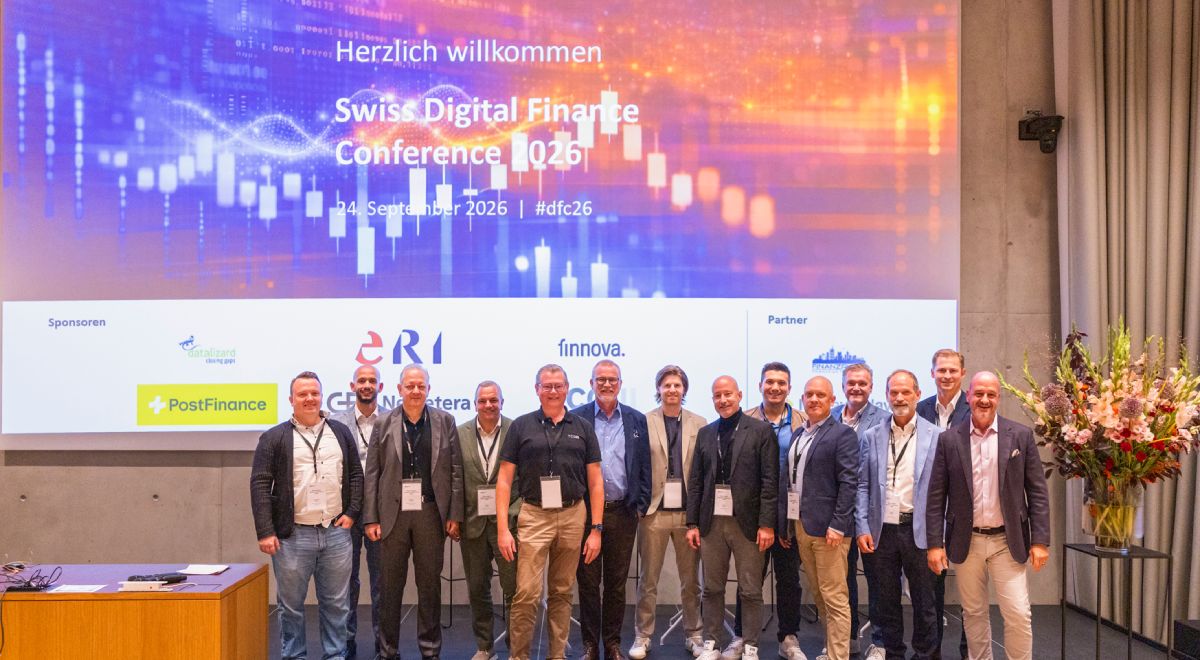
Artificial intelligence, blockchain and quantum computing: the Swiss Digital Finance Conference at HSLU in Rotkreuz on 24 September explored technologies that could reshape the financial sector. What stayed with us most, however, were questions that had less to do with the next technology: how quickly can good ideas be put into practice? Which assumptions do we need to rethink? And who makes the decisions needed to move forward?
Moving from discussion to action
Damir Bogdan of Quantum Basel spoke about the potential of quantum computing. His assessment of Switzerland also posed a challenge: there is no shortage of knowledge or innovative thinking. The harder task is putting new ideas into practice quickly.
Bogdan compared an AI model to a light bulb in a factory. A new bulb may be useful, but it does not change how the factory operates. Meaningful improvement requires a closer look at how work gets done: what the tasks are, how they connect and who makes the decisions. For companies introducing AI, that means reviewing the processes in which it will be used.
What do we need to unlearn?
Dr Ante Plazibat of Finnova introduced another idea: learning is not always enough. Sometimes we need to let go of old assumptions. His presentation explored how the role of core banking systems could change as AI agents and blockchain applications interact with them.
Permissions are one example. Today, an AI assistant uses the permissions of the person using it. If an agent is to act independently on that person’s behalf, it needs its own identity, a clear mandate and rules governing each action. Who is authorised to initiate which actions, and how can that authorisation be verified later?
How do we control access today?
These questions already matter, even before autonomous agents come into play. When an assistant retrieves information from existing systems, it must be clear which functions it may use and what is recorded. In his presentation, our CEO Philipp Künsch showed how this access can be controlled through an interface. The starting point is a specific business question. It determines which information is needed and which functions are made available.
We explain the technical approach in our article “Connect AI to existing systems”.
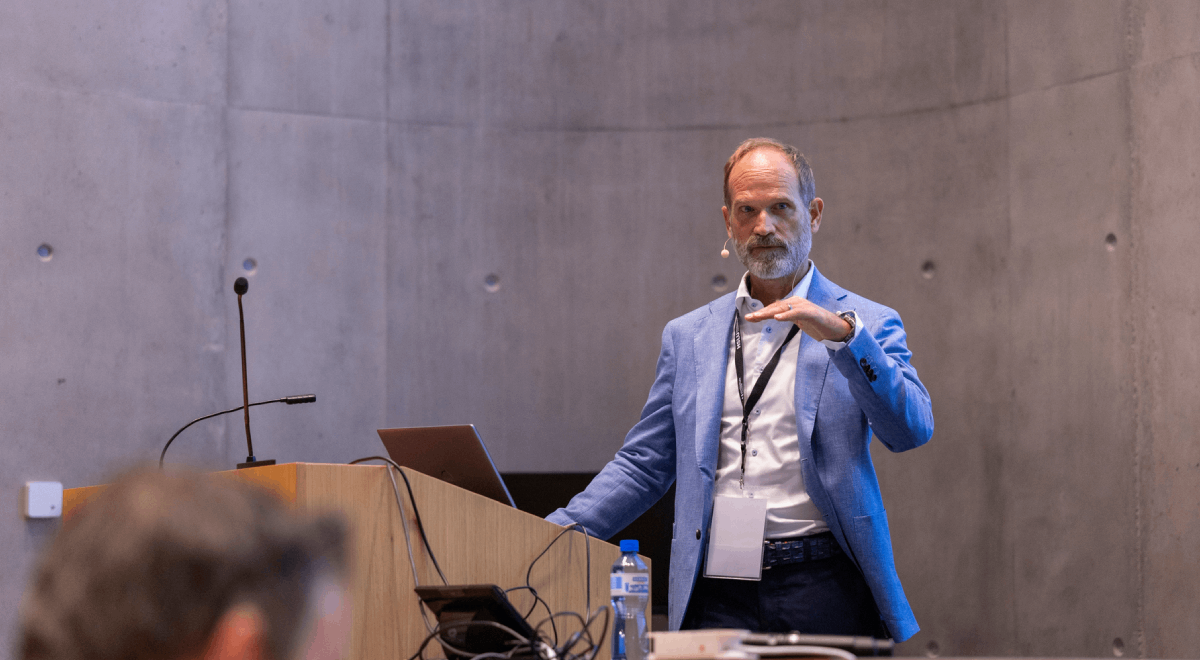
Philipp Künsch at the Swiss Digital Finance Conference 2026: how can we control AI access to existing systems?
Companies bear the responsability
The closing C-level discussion turned to organisational questions. Lengthy decision-making processes can hold back implementation just as much as legacy technology. Agreeing on changes is not enough, either. Employees need to understand what those changes mean for their work and have opportunities to develop new skills.
The technology is available. How quickly it is put to use depends on whether companies are willing to review their processes, question their assumptions and take responsibility for its use.

The datalizard platform

What data can your AI access?

Connect AI to existing systems